Common CRM mistakes – and how to fix them
Below are the six mistakes we see Swiss companies keep making, and how to fix them before you waste another quarter.
Over 60%* of CRM initiatives in Switzerland underperform or fail entirely.
Not because of technology, but because of execution.
Most companies assume buying a top-tier CRM guarantees success. It doesn’t.
In reality, most failures come from predictable oversights such as skipping change management, ignoring multilingual needs, and migrating messy data without cleanup. The real difference lies in disciplined execution and the ability to turn technology into measurable value.
In practice, success depends on how well people understand and engage with the tool, how effectively change management processes are implemented and followed up, and whether the data remains consistent and aligned.
As you can see, it’s never just about the software itself.
The outcome is always the same: high costs, low adoption, underwhelming ROI
1. The invisible culture problem killing your rollout
Every CRM implementation failure starts long before the first login.
In Swiss companies, especially SMEs, there’s a quiet resistance that no technology can fix: a mix of pride in old systems, fear of disruption, and a “we’ve always done it this way” mindset.
Managers often push a CRM project as a silver bullet, forgetting that people need to feel ownership before they’ll change their habits. You can’t impose a CRM; you have to sell it internally like a product.
Therefore, start early.
Bring your team into the discussion, not the aftermath. Ask them what slows them down, what data they actually use, and what they wish they had.
When users feel heard, they’ll surprise you with how quickly they adapt.
CRM adoption isn’t about tools. It’s about trust.
2. Why Swiss businesses need more than a popular CRM solution
CRM challenges in Switzerland often start with software selection.
A CRM that works perfectly in Berlin or Boston can collapse in Basel.
The reason?
Swiss businesses deal with multilingual staff, and strict data protection laws that foreign platforms underestimate.
If you want to see how tailored systems can facilitate your process, check out this overview of CRM implementation for Swiss companies.
The so-called “safe” choice (buying the most popular tool) can become a maintenance nightmare. Over-customization, hidden costs, and frustrated local users are common outcomes. Some softwares are built for international/ global needs, which may slow down utilisation by confusing, and fragilising the impact – users spend more time managing the tool than using it.
The fix is simple but strategic: prioritise localisation over brand. Choose vendors who understand Swiss legal frameworks, language support, and local integrations (bridge to ERP, data privacy compliance).
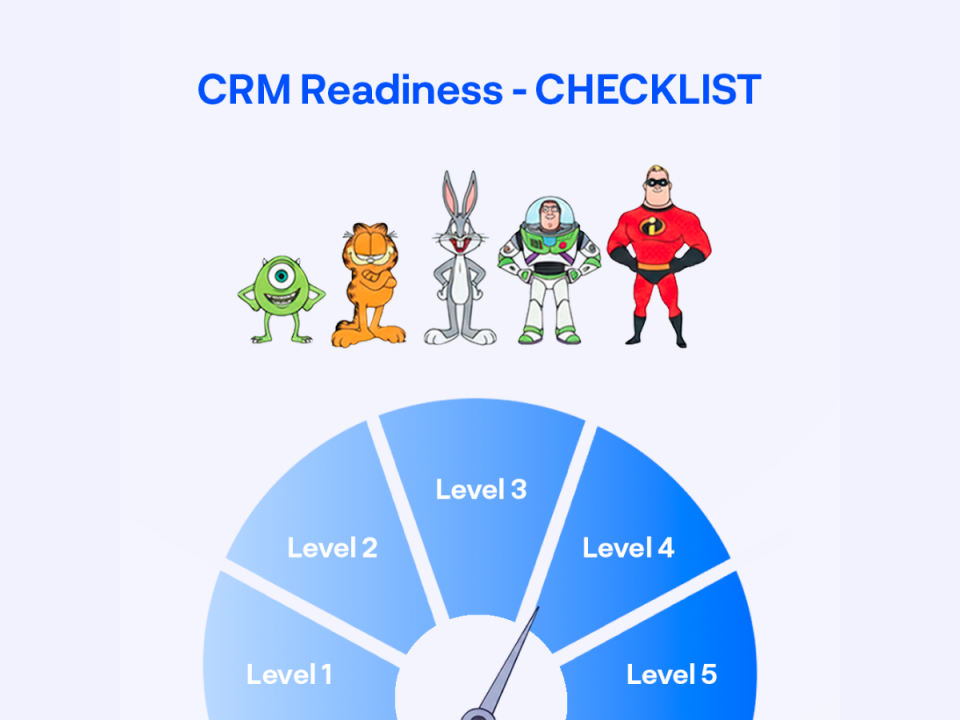
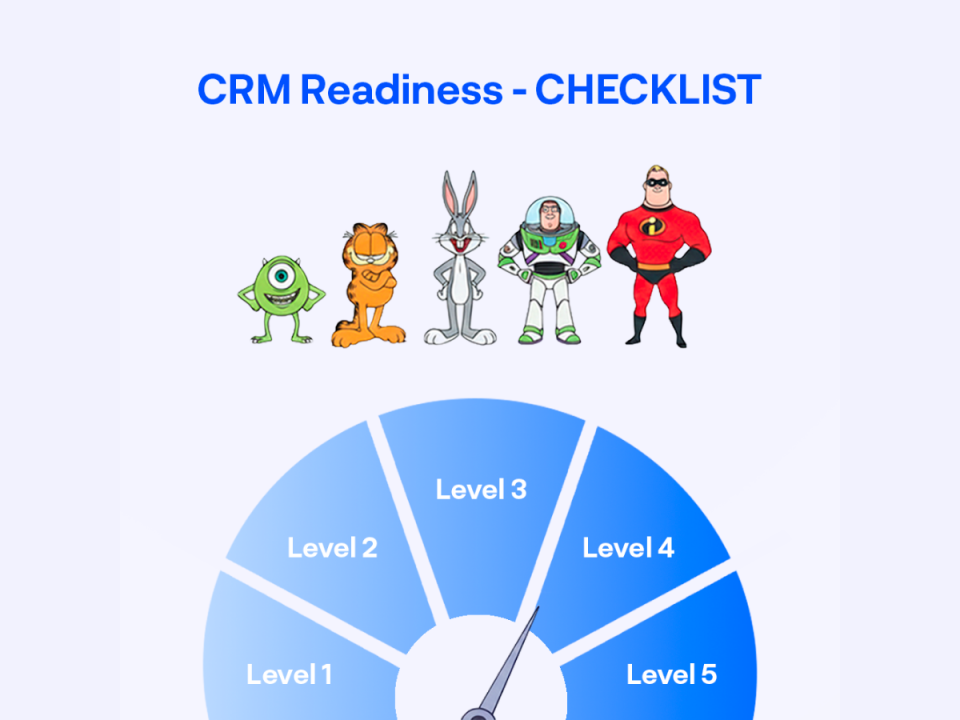
Before starting, it’s important to assess:
 How ready your team and business are for this change
Evaluate who will manage the system after implementation
How quickly they can take ownership
Whether they’re prepared to lead a smooth rollout across the organisation.
Also consider which companies in your industry have already implemented similar solutions, which software options agencies typically provide and why, and – most importantly – which platform best fits your business size, budget, and operational needs.
The best CRM isn’t global; it’s the one that feels local and truly fits your business needs and adoption process.
3. The silent saboteur of every CRM project
Every project manager underestimates the beast called CRM data migration.
It sounds simple: move your contacts, leads, and history into the new system. But when reality hits, duplicates, missing fields, and corrupted files sabotage the project before it even starts.
This “silent saboteur” erodes confidence. When data looks unreliable, teams stop trusting the CRM — and adoption plummets.
Before you migrate:
clean data
move data
run a data audit
standardise formats
delete duplicates ruthlessly
or set up an automation rule that notifies users of potential duplicates, so they could verify the merge before deletion.
test small batches before going live
Good data builds good habits. Bad data destroys both.
4. Why people don’t fear change. They fear confusion
Most CRM change management failures come from poor communication, not resistance.
When staff aren’t trained, every click feels like a mistake waiting to happen. Confusion turns into avoidance, and soon the CRM is labeled “too complicated.”
In Switzerland, CRM implementation challenges aren’t technical; they’re human.
Change management isn’t just about workshops but more about communication.
Create short, multilingual training videos.
Assign internal champions in each department.
Celebrate early wins publicly.
The moment people understand why the CRM matters to them, not just to management, the mood changes.
That is because clarity beats compliance every time.
A CRM is a culture of community – not a one-person project hidden in a corner, but a collective effort built on communication, shared experience, and collaboration.
5. How CRM Localisation Drives Collaboration in Switzerland
As you know, the Swiss market is small but uniquely complex – not because of size, but because of its linguistic diversity. With four official languages (German, French, Italian, and Romansh) plus English as the common corporate language, communication challenges multiply fast.
Here’s a uniquely Swiss truth: language can make or break technology.
If half your company speaks German, a third French, and the rest English or Italian, an “English-only” CRM creates invisible walls.
Teams stop collaborating because even basic tasks feel foreign.
CRM localisation in Switzerland isn’t a luxury, it’s a business necessity. Choose a partner that offers multilingual UIs, and can adapt templates for local / regional needs.
Translate your training materials too.
In a country built on precision and multilingual harmony, your CRM must speak everyone’s language.
When technology speaks people’s language, adoption follows naturally.
6. How to tell if your CRM investment is paying off
The only way to know if your CRM ROI metrics are improving is to track adoption and data accuracy consistently.
Many firms declare success the day the CRM goes live, then never look back. That’s a mistake. Without CRM performance metrics, you’re flying blind.
The best teams track three things:
- Adoption rate: how many users log in weekly.
- Data accuracy: how often contacts, deals, and tasks are updated.
- Business impact: sales velocity, customer retention, or support resolution times.
- Historical comparison: review past performance with your team and management. In most organisations, such comparison used to be impossible because key data – like deals opened, lost, or won, or efficiency by segment, product, or user – was never tracked consistently or at all.
The advantage of a CRM is that you can now measure what was previously invisible by turning assumptions into actionable insights.
These metrics turn a vague “it seems to work” into measurable ROI. And when you track consistently, you can prove that your CRM investment isn’t just working; it’s evolving with your business.
Success doesn’t end at launch. It starts there.
Where most companies go next
CRM implementation challenges in Switzerland aren’t solved by more features. They’re solved by leadership, clarity, and localisation.
CRM success isn’t defined by the software you choose, but by how ready your team is, how well your data and processes work together, and how easily it adapts to your strategy, industry, and regional realities.
At Brandfinity, we focus on real business needs – our role is to make CRM work the Swiss way: precise, multilingual, and adapted to each industry, business size, and budget.
When you treat CRM adoption as an ongoing process, not a one-time project, your system stops being a burden and becomes your competitive advantage.
But here’s what we’ve noticed after25 years of optimising customer experience…
Companies that successfully navigate these challenges rarely do it alone.
Start turning your CRM from a cost center into a measurable growth engine.
If you’re evaluating CRM options or struggling with an underperforming system, we’ve built a framework specifically for Swiss SMEs that addresses these exact challenges.
Let’s make your CRM work the Swiss way – precise, multilingual, and built for measurable impact.
At Brandfinity, we implement CRM solutions that empower businesses to achieve superior results.
With over 20 successful implementations, we help organisations of all sizes better understand their customers, strengthen relationships, and elevate their customer relationship management to the next level.
—
* 60% – statistic information is based on data from the Martech source regarding CRM Implementation Benchmark Study conducted across Swiss companies.
Check your CRM implementation readiness with our Quiz here.